Marbella steps up processionary treatments in Nagüeles and the Elviria pinewoods
The municipal programme combines endotherapy in the busiest areas with cannon spraying in the larger pine stands, with at least two applications planned and monitoring that runs all year.
Translated from the Spanish original. Leer en español
Marbella town council is stepping up preventive treatments against the pine processionary in Nagüeles park and the Elviria pinewoods, according to the council note published on 5 November. The work combines different techniques adapted to the characteristics of the trees and the use of each space, aiming to reduce the presence of the pest and the risks linked to contact with its caterpillars, especially before they come down to the ground.
These actions require continuous monitoring work and planning that allows intervention at the most suitable moment
Diego López, councillor for the area
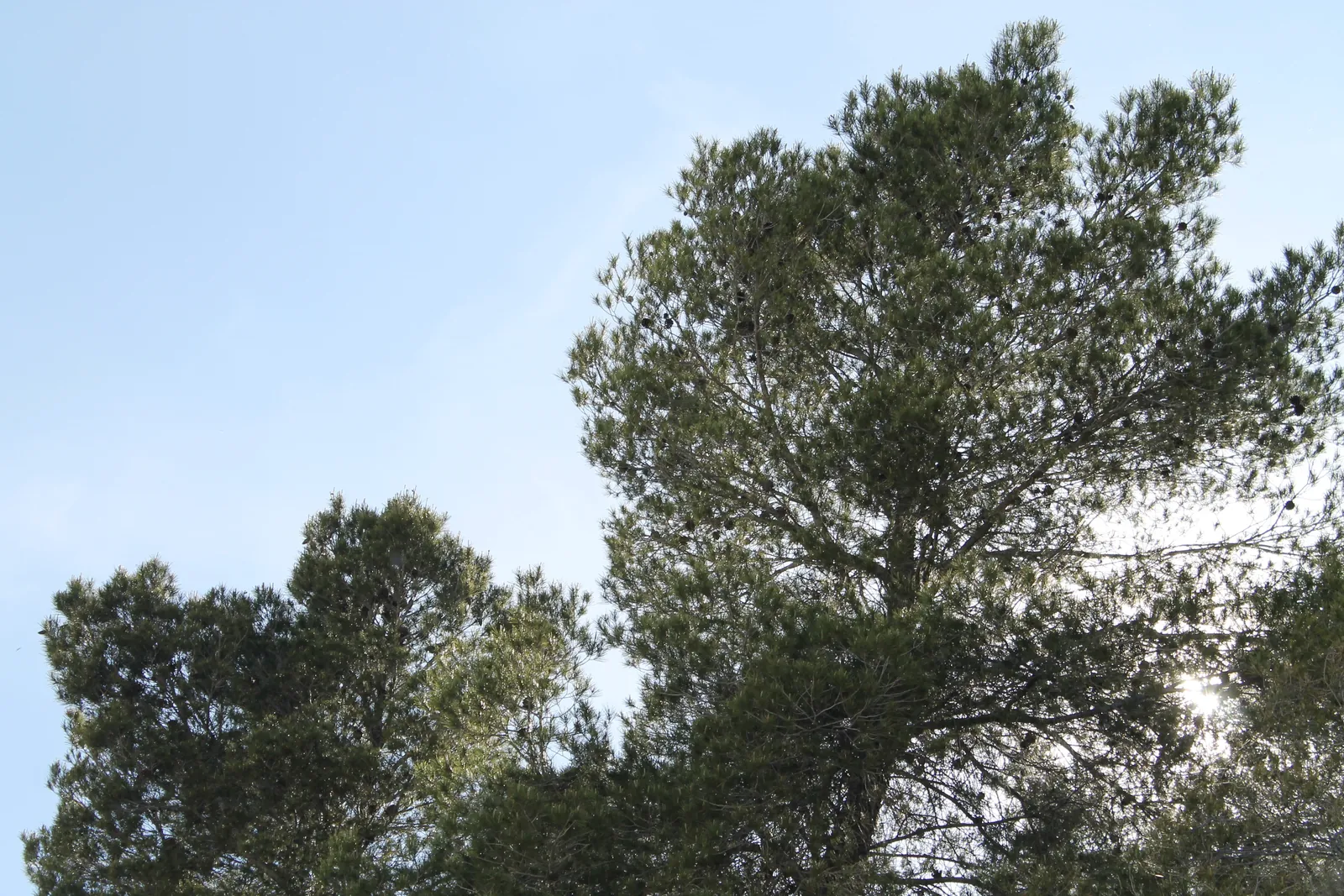
The councillor for the area, Diego López, explained that the aim is to reduce the populations before the caterpillars descend to the ground, especially in the areas most used by residents and their pets. The work forms part of the municipal integrated management programme, which has specialist technical advice and includes periodic inspections, population monitoring and tasks adjusted to the different development phases of the processionary, alongside pheromone traps to track the flight of the moths, the removal of nests and the installation of capture systems.
Two techniques, by space
On pines in the busiest areas, such as barbecue areas, dog parks, paths and recreation spaces, endotherapy is being used, a procedure that introduces the treatment directly into the tree, without spraying its surroundings. The choice concentrates the intervention on the trees closest to the places where people stay and pass through in the park and the pinewoods.
In the larger pine stands, ground treatments are carried out with an atomiser cannon that reaches the crowns of the tallest trees and covers wide surfaces, with equipment that has a maximum reach of up to 55 metres horizontally and 40 metres vertically. López noted that combining both techniques allows the work to be adapted to each setting, from pines beside paths and rest areas to the most extensive stands of trees.
Monitoring and short closures
The programme follows the biological cycle of the pest, in order to act when the caterpillars are in their first development phases. According to the councillor, at least two applications are planned, to also cover larvae from hatchings after the first treatment, and follow up inspections will determine whether a third is needed. The calendar can vary with temperatures and weather conditions, and the applications are carried out with the safety measures and temporary access restrictions that apply in each case.
The step up comes in the same week in which Nagüeles park has been closed. The parks and gardens department announced on 3 November the temporary closure of the site on 5 and 6 November for phytosanitary treatments to control the pine processionary, the same pest on which the preventive programme is now being intensified in Nagüeles and Elviria.