More than 500 kilos of waste lifted from the seabed at the Virgen del Carmen marina
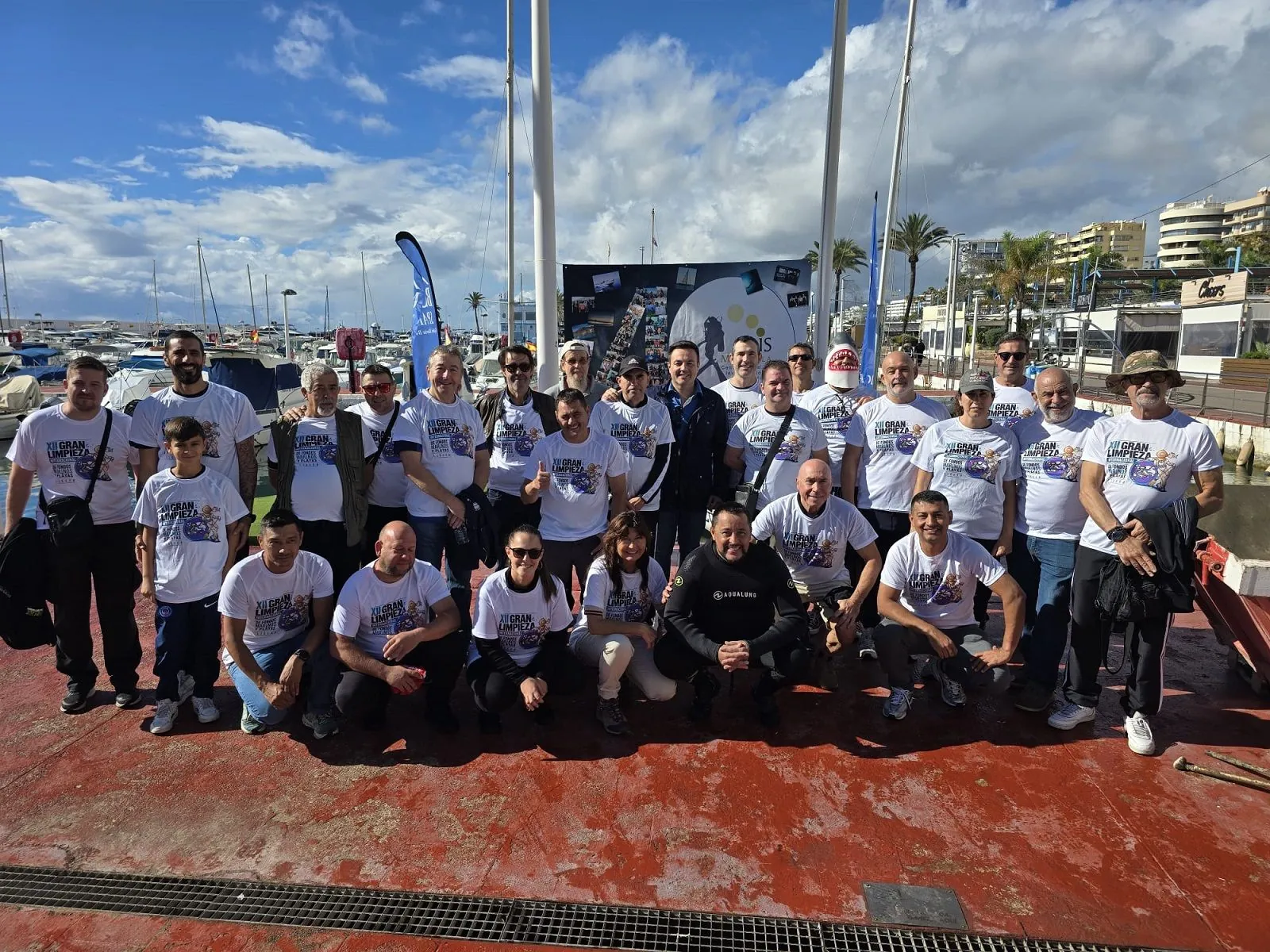
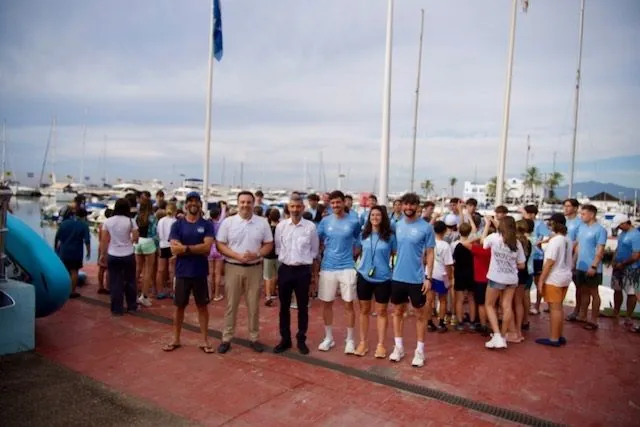
About twenty people, divers and shore support, took part on Monday in the cleanup of the marina basins, which turned up everything from mobile phones to a submerged angle grinder.
Translated from the Spanish original. Leer en español
The Virgen del Carmen marina removed more than 500 kilos of waste from the seabed beneath its pontoons on Monday, in a cleanup carried out with the COIS in which around ten divers took part alongside about ten people providing support on shore, moving and sorting the material brought out of the water.
The haul mixed everyday objects with bulkier items: boat access ladders, fences, gangways, glasses, spectacles and mobile phones. The marina’s director, Carlos Romero, singled out one find above the rest.
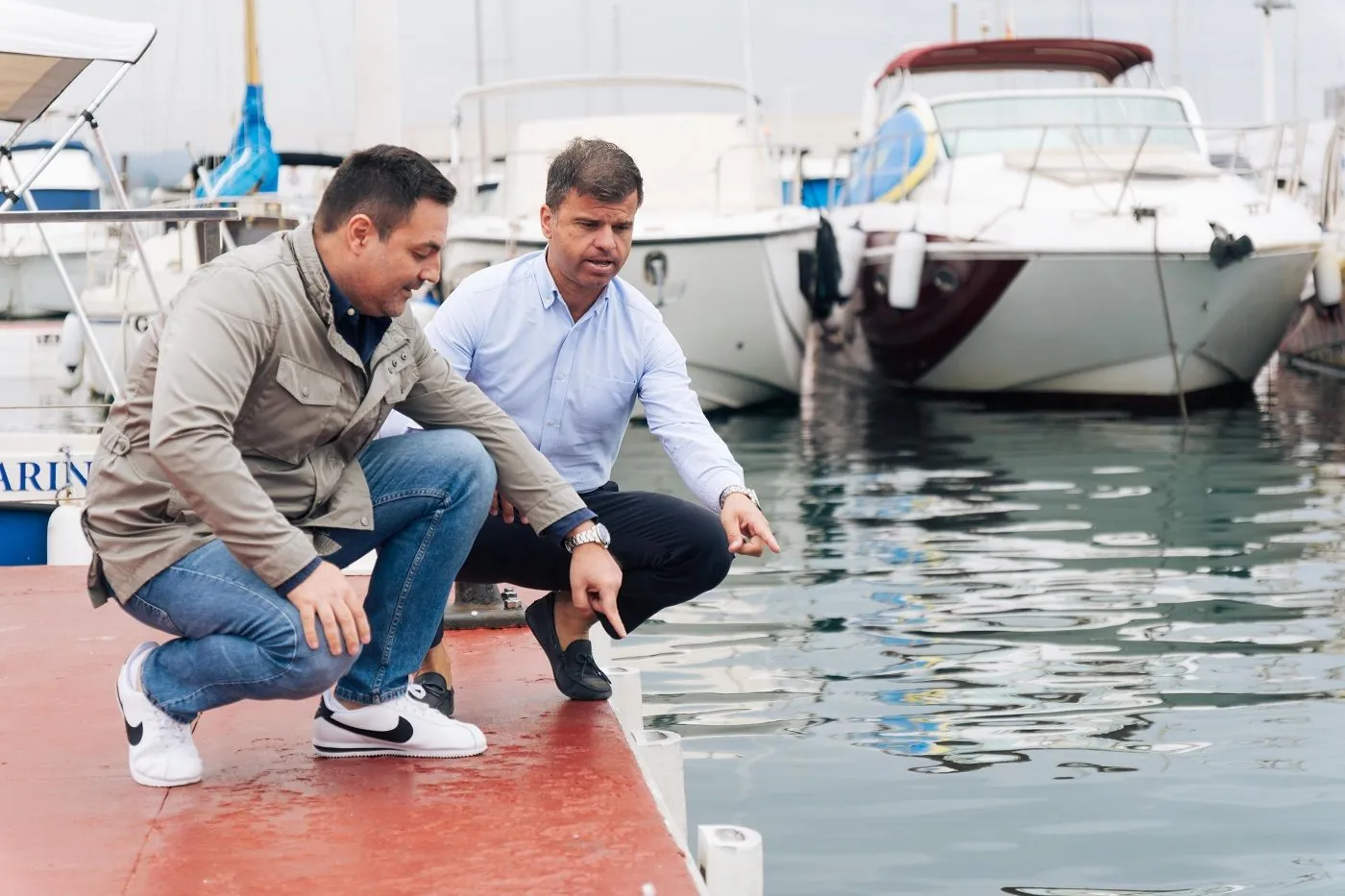
Como elemento más llamativo de esta edición, los participantes han encontrado también una radial sumergida
Carlos Romero, director of the Virgen del Carmen marina
Checking the state of the seabed
Romero explained that the operation serves a double purpose: it shows what state the seabed is in and takes out of it what should never have reached the water.
se trata de una actuación que permite conocer el estado de los fondos y retirar residuos que no deben acabar en el medio marino
Carlos Romero, director of the Virgen del Carmen marina
The marina director added that the trend is moving in the right direction, because the amount of abandoned material found around the pontoons falls from one year to the next.
cada año se recogen residuos y observamos una menor presencia de elementos abandonados en el fondo de los pantalanes, lo que refleja una mayor concienciación sobre la importancia de utilizar los espacios habilitados para su depósito
Carlos Romero, director of the Virgen del Carmen marina
The marina points out that it has a clean point in the boatyard area for the proper handling of polluting waste.
Part of a wider environmental programme
The seabed cleanup sits alongside the environmental work the marina carries out through the year, including the renaturalisation of its waters through micro-reefs and awareness actions aimed at users. That renaturalisation programme rests on six structures installed in two areas of the marina, known as Life-Boosting Units, designed so that marine life can colonise surfaces inside the port. The first results of that monitoring, released on 7 November, recorded 27 species around the installed structures, against 11 identified in conventional port areas, with a notable presence of juvenile fish, which accounted for 89 per cent of the biomass recorded. Monday’s operation is also among the actions linked to the environmental criteria behind certifications such as the ISO standards and the Blue Flag.